






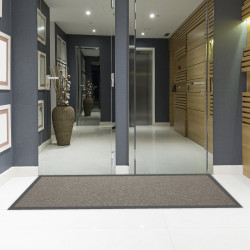
-250x250.jpg "Golden Berber Entrance Mats")


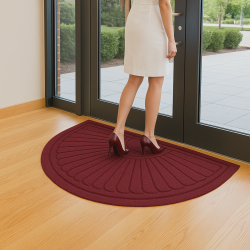


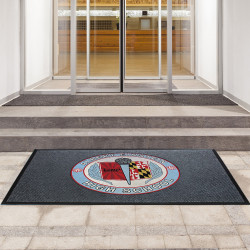


-250x250w.jpg "Air Step Anti Fatigue Mats")


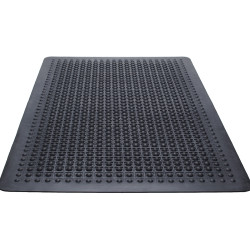

-250x250.png "Leather Top Anti-Fatigue Mats")



Most people underestimate the role of floor mats in their daily lives. Viewed merely as a decorative element or functional accessory, the true health benefits of these mats often remain unappreciated. However, when we delve deeper into their myriad functionalities, it becomes evident that they play an integral role in maintaining our health in diverse ways.
.jpg)
1. Floor Mats capture dirt and dust and act as the First Line of Defense
When you step inside your home or workplace, the soles of your shoes carry countless particles. Dirt, pollen, bacteria, and a cocktail of potential allergens cling to them. This is where floor mats come into play, acting as silent guards.
Reducing soil ingress: It might be startling to know that nearly 80% of all contaminants that affect the health of an indoor facility are brought in from shoes. A well-structured mat effectively captures these particles, ensuring that they don't venture further into your spaces.
Lowering airborne pollutants: As people walk in, dust, pollen, and other contaminants can easily become airborne. Breathing in these particles can trigger allergic reactions and other respiratory issues. Mats act as a sieve, capturing them and consequently improving indoor air quality.

2. Dampness and Mold Prevention
The transition from a rainy outdoors to a dry indoors always carries the risk of moisture entering our living or working spaces. Excess moisture can pave the way for mold and mildew, both detrimental to respiratory health.
Mats with high absorbency.
Guard against slip hazards: Moisture can make floors dangerously slippery. By absorbing excess water, mats ensure that you are less likely to take a tumble.
Combat mold growth: By actively capturing and containing moisture, mats hinder the growth of mold, ensuring cleaner air and reducing the risk of allergic reactions.

3. Ergonomic Support and Muscle Health
Beyond the evident benefits of moisture and dirt control, specialized floor mats, known as anti-fatigue mats, are engineered for ergonomic support. They are crucial for individuals who spend significant amounts of time standing.
Alleviation of muscle fatigue: The cushioned nature of these mats reduces the strain on leg muscles, promoting healthier circulation and reducing the risk of muscle soreness.
Prevention of back pain: Hard surfaces can be taxing on the spine and back muscles. These mats provide necessary relief, making tasks like cooking or working at a standing desk much more comfortable.

4. Chemical and Toxin Barriers
Modern life brings with it exposure to a host of chemicals. From pesticides sprayed on lawns to toxins present on roads, our shoes pick up a lot. And while some chemicals are visible, many others, like car exhaust particles, are microscopic.
Toxin Entrapment: Mats trap these chemicals, ensuring they don't become part of our indoor environment, thus reducing our exposure.
Protecting Vulnerable Populations: Children, who often play on the floor, and pets, with their keen sense of smell, are particularly vulnerable to these toxins. Mats play a crucial role in safeguarding their health.

5. Mats are an Invisible Front Battles against Microbial
Our battle against microbes is constant. Some mats go the extra mile by being treated with antimicrobial agents, ensuring that our homes remain as sterile as possible.
Hindrance to bacterial growth: By suppressing bacterial proliferation, these mats ensure fewer pathogens in our living space.
Odor Control: Unpleasant smells are often a byproduct of microbial activity. By suppressing microbial growth, these mats play a role in ensuring fresher indoor air.
.jpg)
6. Enhancement of Indoor Air Quality
Clean air is vital. Indoor air quality, affected by various contaminants, can sometimes be more polluted than outdoor air. The role of mats in enhancing indoor air quality is crucial.
Particle Capture: Every particle trapped in the fibers of a mat is one less particle in the air, ensuring we breathe cleaner air.
Reduction in Cleaning Chemical Use: With mats capturing a significant amount of dirt, the frequency and intensity of cleaning can be reduced, leading to decreased use of potentially harmful cleaning chemicals.

7. Enhancing Mental Well-being
The cleanliness and air quality of our environment play a subtle, yet profound role in our mental well-being.
Elevated Mood: Cleaner spaces make for happier residents. The role of a mat in ensuring cleanliness indirectly contributes to our mental health.
Stress Reduction: The physical comfort provided by anti-fatigue mats can lead to reduced physical stress, which, in turn, positively impacts mental stress.
Extracting Maximum Benefit by Proper Maintenance and Care
Even the best of mats require regular maintenance to remain effective.
Frequent Cleaning: Depending on traffic, vacuum your mat daily or every few days. This ensures its efficiency in trapping particles.
Regular Inspection: Over time, mats might lose their effectiveness. Regularly inspect for signs of wear and tear and replace when necessary.
Strategic Positioning: The mat should ideally cover the entire entrance area, ensuring every entrant steps on it.
In essence, floor mats serve as silent sentinels, guarding our health in multiple capacities. They do much more than meet the eye, ensuring that our homes remain cleaner, our air purer, and our bodies healthier.
Leave a Comment