





-250x250.jpg "Golden Berber Entrance Mats")





-250x250w.jpg "Air Step Anti Fatigue Mats")



-250x250.png "Leather Top Anti-Fatigue Mats")


Navigating the Mat Selection Dilemma, Should I get an Indoor or Outdoor Mat?
Entrance mats are the unsung heroes of the flooring world. While they may seem like simple additions to a space, their role is fundamental in providing safety, enhancing aesthetics, and protecting interior floors from wear and tear. One of the primary considerations when selecting the perfect entrance mat is deciding between indoor and outdoor varieties. With an extensive array of options on offer, such as those from Universal Floor Mats, it becomes essential to understand the nuances and differences between indoor and outdoor mats to make the most informed choice.
The Role of the Environment
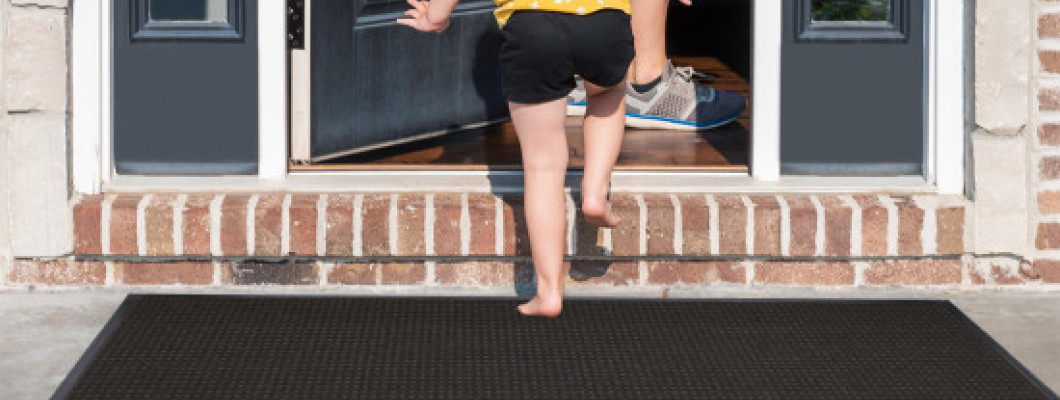
Outdoor Mats- The primary function of outdoor mats is to stand up to external conditions. These mats encounter everything from heavy rain to scorching sun, snow, and mud. As the first point of contact, they need to be tough and rugged, with features that allow them to efficiently scrape off dirt, mud, and debris from shoes.
Outdoor mats are generally made of weather-resistant materials like rubber, coir, or synthetic fibers that can withstand environmental extremes. These mats prioritize durability over softness, ensuring they last for years, even in the harshest conditions.
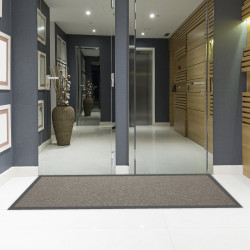
Indoor Mats - Once the bulk of the dirt and moisture is handled by the outdoor mat, indoor mats play the vital role of absorbing any residual moisture, giving a final clean to the soles, and ensuring the internal floors remain pristine. They are designed to complement interior aesthetics and are often made of softer, more absorbent materials like polypropylene, nylon, or cotton.
Design and Aesthetic Considerations
Outdoor Mats - While functionality reigns supreme, aesthetic appeal isn't entirely ignored. Outdoor mats from providers like Universal Floor Mats come in various designs and colors, allowing them to be both functional and an aesthetic extension of the space they occupy. The designs are often more simplistic and focused on patterns that aid in scraping off dirt.
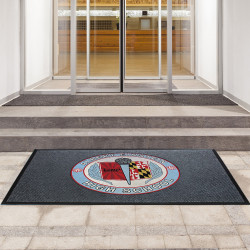
Indoor Mats - Indoor mats offer more versatility in design and color. Since they don't face direct exposure to harsh environmental factors, they can afford to prioritize aesthetics a bit more. You can choose from various patterns, colors, and even customized designs that fit seamlessly into your interior decor. Universal Floor Mats, for instance, provides options that can capture even intricate details, ensuring that the mat not only performs its functional duties but also enhances the beauty of the space.
Maintenance and Durability
Outdoor Mats- Given their exposure to the elements, outdoor mats are constructed to be low maintenance. They are easy to clean, often requiring just a shake or a hose down. Durability is a hallmark of outdoor mats. Materials like rubber and coir are chosen specifically for their longevity and resistance to weather conditions.
Indoor Mats - These mats might require slightly more maintenance than their outdoor counterparts, especially if they are of a lighter shade or made of more absorbent materials. Regular vacuuming and occasional deep cleaning ensure they remain effective and visually appealing.
Safety Concerns
Both indoor and outdoor mats play a pivotal role in ensuring safety. Outdoor mats need to be skid-resistant, especially during wet conditions. They should stay in place despite the foot traffic. Indoor mats, on the other hand, should have non-slip backings to prevent any accidents, especially when the mat becomes wet.
The distinction between indoor and outdoor mats goes far beyond just their location. Each type has been meticulously designed to serve specific functions, ensuring that they cater to the unique challenges posed by their environment. When selecting a mat, it's crucial to consider these differences, weigh the needs of the space, and align them with the strengths of the mat type. With providers like Universal Floor Mats, the range of options ensures that there's a perfect mat solution waiting, regardless of whether it's for the rugged outdoors or the cozy indoors.
Leave a Comment