






-250x250.jpg "Golden Berber Entrance Mats")





-250x250w.jpg "Air Step Anti Fatigue Mats")



-250x250.png "Leather Top Anti-Fatigue Mats")



As winter approaches, bringing with it snowflakes and ice, the potential for slips and falls increases significantly. Entrances and buildings become hazardous zones, with wet and icy conditions posing risks to safety. Statistics highlight the grim reality: according to the National Safety Council (NSC), falls account for over 800,000 hospitalizations and more than 17,000 deaths in the United States each year, with a considerable number occurring during the winter months. However, preventive measures can significantly mitigate these risks. Among the most effective tools at our disposal are floor mats. This blog post will delve into tips and tricks for creating a winter-safe entrance and building, with an emphasis on the vital role that floor mats play in ensuring safety during these icy times.

Understanding the Hazard
Before delving into solutions, it's crucial to understand the problem. Winter brings moisture in the form of snow and ice, which, when tracked indoors, can create slippery surfaces. According to the Bureau of Labor Statistics, slips, trips, and falls constitute the majority of general industry accidents and 15% of all accidental deaths, making it the second-leading cause of accidental death after motor vehicle accidents.
Quality Floor Mats are the First Line of Defense
Floor mats are not just accessories; they are a first line of defense against winter hazards. Quality mats trap water, snow, and dirt, significantly reducing the amount of moisture that gets tracked into the building.
The journey to a safe winter entrance begins outside the door with scraper mats. These mats are tough and abrasive, designed to remove heavy snow and mud from boots and shoes. Placing them outside the entrance ensures that a majority of the snow is left outside, not on your floors.
Once inside, wiper mats come into play. These mats are made to wipe residual moisture and fine particles off shoes. Ideally, a building should have an indoor wiper mat at each entryway to absorb what the scraper mats did not catch.
Beyond wiper mats, absorbent mats in high-traffic areas can hold multiple gallons of water per square yard. The high absorbency prevents puddle formation, which is a common cause of slips.
Premium plush mats are designed with superior absorbency in mind. They are often constructed from high-quality fibers that can soak up several times their weight in water, making them incredibly effective at removing and containing moisture. During winter, these mats act like sponges, trapping melted snow, ice, and excess water that is tracked in by shoes and boots. This level

Tips and Tricks for Safety with Floor Mats
Now that we understand the types of mats, let’s look at how to best use them
1. Mat Placement
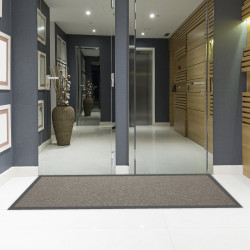
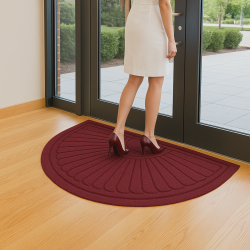
Placement is everything. Mats should be placed at every entrance, and in transition areas where floor surfaces change. Moreover, they should cover enough area to allow for several footsteps, ensuring maximum drying of shoes.
2. Mat Quality and Maintenance
A mat's weight and rubber backing are indicative of its quality. Heavy, high-quality mats will not slide or curl up, which in itself could be a tripping hazard. Regular cleaning and maintenance of these mats are also crucial. A saturated mat cannot absorb water effectively and is as good as no mat.
3. Mat Thickness
The thickness of a mat should be sufficient to absorb moisture but not so much that it impedes the door's movement or becomes a tripping hazard itself. ADA guidelines recommend mats be no more than 1/2 inch thick with beveled edges to prevent tripping.
4. Mat Coverage
According to studies, it takes around 8 feet of matting to remove 90% of water and fine dirt from shoes. In high-traffic areas, or during peak winter weather, extend the length of the indoor mats to ensure safety.
Additional Strategies for Winter Safety
Floor mats are vital, but they are only one part of a comprehensive strategy to keep your entrance and building safe during winter.
1. Signage
Clearly, visible signs can alert people to wet floors or potential hazards ahead, giving them a chance to tread carefully.
2. Regular Floor Inspections
Frequent checks for wet spots, especially during times of high foot traffic, can prevent water from accumulating and posing a slip risk.
3. Prompt Response to Issues
Immediate mopping of spills and wet areas, along with the deployment of ‘wet floor’ signs, are quick, effective actions that can prevent falls.
4. Education
Educating employees and visitors about the increased risk of falls during winter and how to walk safely on slippery surfaces can also reduce accidents.
5. Good Lighting
Ensure all entryways and walkways are well-lit so that any potential hazards can be easily seen and avoided.

Invest in Safety and Increase the Bottom Line
Investing in quality floor mats and a thorough winter safety strategy is not merely a financial consideration; it is an investment in the well-being of everyone who walks through your doors. The costs associated with winter-related slips and falls can be staggering—not just in healthcare expenses but also in lost productivity, potential litigation, and the emotional toll on individuals and their families.
A winter-safe entrance and building are about proactive measures, not reactive ones. Statistics are clear in showing the prevalence of slips and falls during the winter months, but they also show that many of these accidents are preventable. High-quality, well-placed floor mats are a simple yet highly effective measure that should be at the heart of any winter safety strategy.
By combining quality floor mats with additional safety strategies like proper lighting, signage, regular maintenance, and education, businesses, and property managers can greatly reduce the risk of winter accidents. Let’s remember that safety is not seasonal—it’s a year-round commitment. As we bundle up and prepare for winter’s chill, let’s also lay down the groundwork for a safe and secure environment, one step at a time.
Leave a Comment